

How PwC’s CFO thinks about AI, talent, and the future of finance
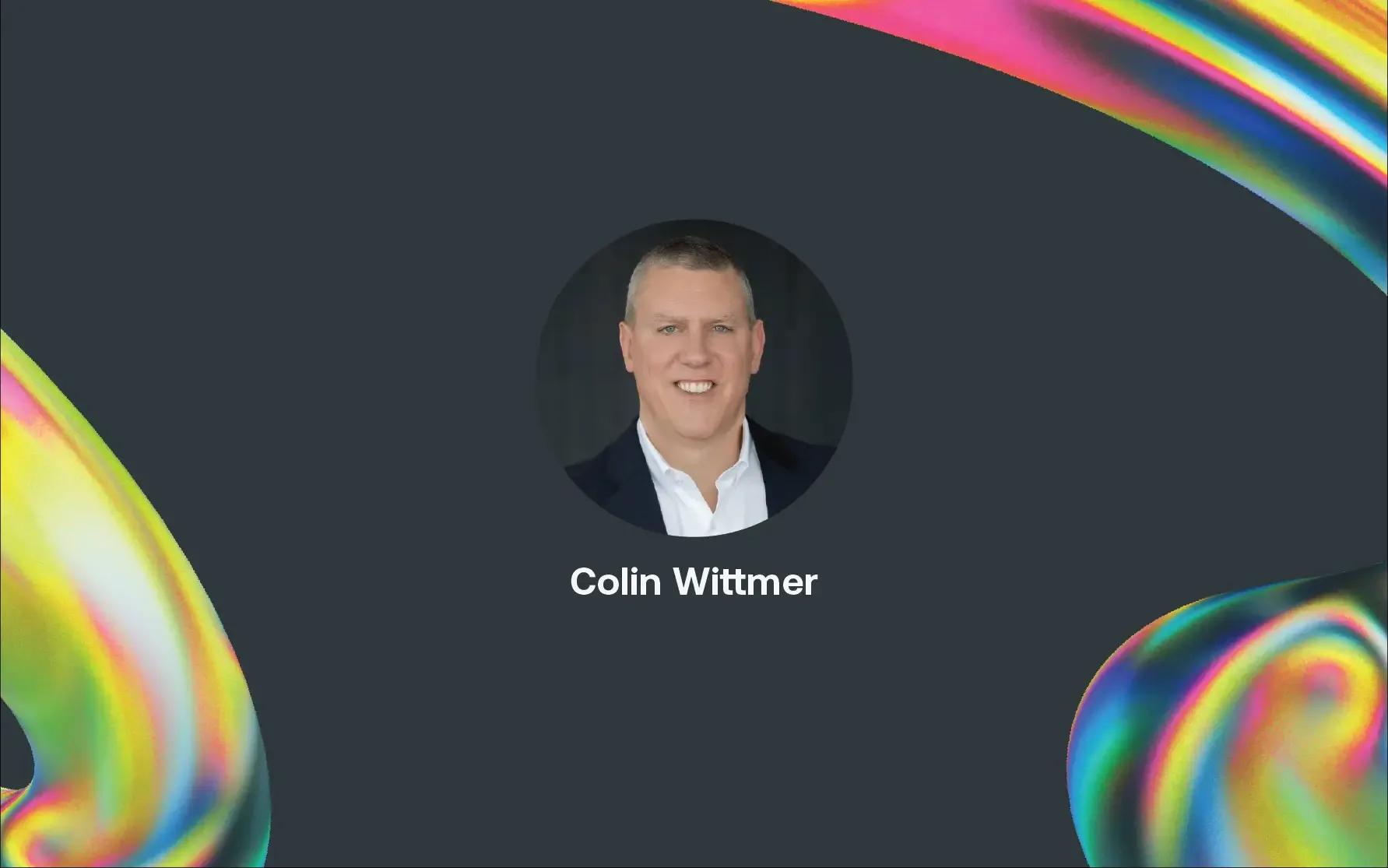
In this episode of Liquid: How CFOs Outperform, Thomas Gavaghan is joined by Colin Wittmer, CFO of PwC, to unpack how a 31-year career across audit, global assignments (including Switzerland), and about 25 years in deals and transaction services shaped his approach to CFO AI strategy, including what is actually working for AI in finance at scale. Colin shares what he learned from advising both private equity and large corporates, including why “healthy” companies are defined as much by management teams and culture as by clean numbers, and how that perspective applies to PwC’s own finance transformation. He explains PwC’s AI approach by putting tools in the hands of 75,000 practitioners, elevating promising use cases through a layer of AI super-users, and industrializing scalable solutions through an “AI factory.” Throughout, Colin argues AI is a powerful “first-draft machine,” but differentiation comes from human skills like judgment, persuasion, empathy, and lived experience, plus disciplined learning pathways that prevent experimentation from becoming distraction. The conversation closes with candid advice for aspiring CFOs: stay close to the commercial engine, lead before you’re titled a leader, and be intentional about growth every three to five years.
What you need to know
Colin Wittmer, CFO of PwC, brings a dealmaker’s lens to the “everyone has AI now” moment. After 31 years at the firm, including starting in audit and spending decades in deals and transaction services, Colin’s through-line is clear. AI will raise the baseline for technical work, but the teams that outperform will be the ones that develop the human edge, which is really human skills in finance, including judgment, persuasion, prioritization, and leadership, and pair it with an operating model that scales what works without creating distraction.
AI is a first-draft machine: humans win on judgment and persuasion
Colin describes AI as a powerful first-draft engine. It helps finance teams go from a blank page to a solid starting point quickly. The advantage shifts to what happens next: adding context, applying real-world experience, and persuading stakeholders with a clear recommendation.
PwC’s model for scaling AI
PwC started by putting AI tools in the hands of its people to accelerate learning and experimentation with AI in finance. To scale beyond one-off use, it relies on a layer of AI “activators” who identify what works and connect the right use cases to the right tools. Those proven ideas then move into an AI factory, where they can be industrialized and deployed responsibly across the firm and with clients.
Avoiding AI noise: curated learning pathways by role
Colin warns that AI can become distracting when teams chase too many tools and options. PwC addresses this with role-based learning pathways that narrow the focus to the few tools and workflows that matter most for a given job. The aim is simple: keep experimentation productive and keep delivery on track.
What great finance teams do differently
A major red flag for Colin is a finance team that only reports results. Strong finance organizations act as business partners across functions, since most decisions come down to money and tradeoffs. The best teams get pulled in early to identify what is driving performance, challenge assumptions, and turn numbers into decisions and actions. This is a core expectation of modern finance leadership.
Additional topics covered in this episode
What separates a company that “looks good on paper” from one that’s genuinely healthy: management team quality, cultural dexterity, and the ability to change under pressure
Lessons from private equity vs corporate deal environments: short-cycle discipline vs long-horizon value building
Career advice for aspiring CFOs: think in 3–5 year steps, stay close to the commercial engine, and lead before you have the title
“Mastery” in an AI world: using AI to accelerate work without outsourcing fundamental understanding
Why it’s healthy to periodically reassess your path (including looking outside)—and why internal moves can be the best next chapter

Colin Wittmer, CFO, PwC
Colin Wittmer serves as Chief Financial Officer, leading PwC's Finance function and shaping the firm's portfolio strategy to help serve clients in new ways while delivering profitable growth. He brings an outcomes-oriented, strategy-driven and analytically rigorous perspective to the role.
A 30-year PwC veteran, Colin previously served as PwC’s Deals Leader, where he set the practice’s strategy and support of client transactions from end-to-end. He served as global client partner for one of the firm’s largest clients and has assisted with hundreds of intricate domestic and global transactions, including acquisitions, divestitures, IPOs, spin-offs and served as New York Metro Deals Leader and US Divestitures Leader. Colin also spent two years in Zurich, coordinating inbound private equity transactions across Europe.
Colin received his bachelor’s degree in accounting and finance from the University of Michigan. He lives in Chatham, New Jersey, and is married with three children.

News