
Blog
Three actionable insights for CFOs to calm the chaos

Everybody’s hair is on fire in a psychodrama where people are gagging on uncertainty in response to snap-of-the-finger policy changes. With phrases like these in the economic news, CFOs are tasked with calming the chaos. Since Trump’s January 2025 inauguration, the economic volatility introduced by tariff twists, foreign policy shifts, and federal layoff bloodbaths makes it increasingly complex to navigate economic risks. Trump's whiplash tariffs have been dubbed an "uncertainty tax," serving as a catalyst for cost increases and significant organizational impacts, while federal job cuts could chill the economy.
As companies worldwide start to experience the ripple effects of these striking economic and policy changes, CFOs face two pressing questions:
What is the impact on our earnings and cash flow?
How can we adapt to minimize this impact?
To answer these questions and navigate complexities with foresight and agility, CFOs can calm the chaos by mitigating FX volatility, taking control of the cash lifecycle, and modeling scenarios to strengthen cash flow strategies.
Three actionable steps for CFOs to tame economic volatility
Here are three decisive actions to tackle the economic volatility brought on by tariff impacts and other financial complexities.
1. Manage FX volatility
Currency volatility is a constant source of risk for CFOs of global businesses. CFOs who can predict the effect of exchange rate fluctuations with greater certainty are better positioned to safeguard earnings and meet financial performance benchmarks.
"If you can eradicate the impact of FX, or mute it significantly, you’re in a better position than many of your peers.”
–Bob Stark, Kyriba’s Global Head of Enablement in a recent Forbes interview
Rapid daily movements (e.g., 1–2% changes in currency values) and persistent, long-term depreciation trends in currencies like the Canadian Dollar or Mexican Peso against the U.S. Dollar can wreak havoc on earnings, balance sheets, and cash flow statements. A small shift in an organization’s approach to FX management can drastically improve quarterly performance and enhance the ability to give accurate guidance to both internal and external stakeholders.
To strengthen FX resilience, CFOs can:
Use FX forecasting and tools to measure real-time and long-term impacts, ensuring financial leaders understand how 1–2% moves affect cash reserves and growth plans.
Build scenarios for how significant currency depreciation might affect income statements, particularly for multinational corporations operating in multiple markets.
Adopt trusted AI forecasting tools to hedge against currency fluctuations and streamline currency risk management, allowing teams to dedicate more time to strategic analysis.
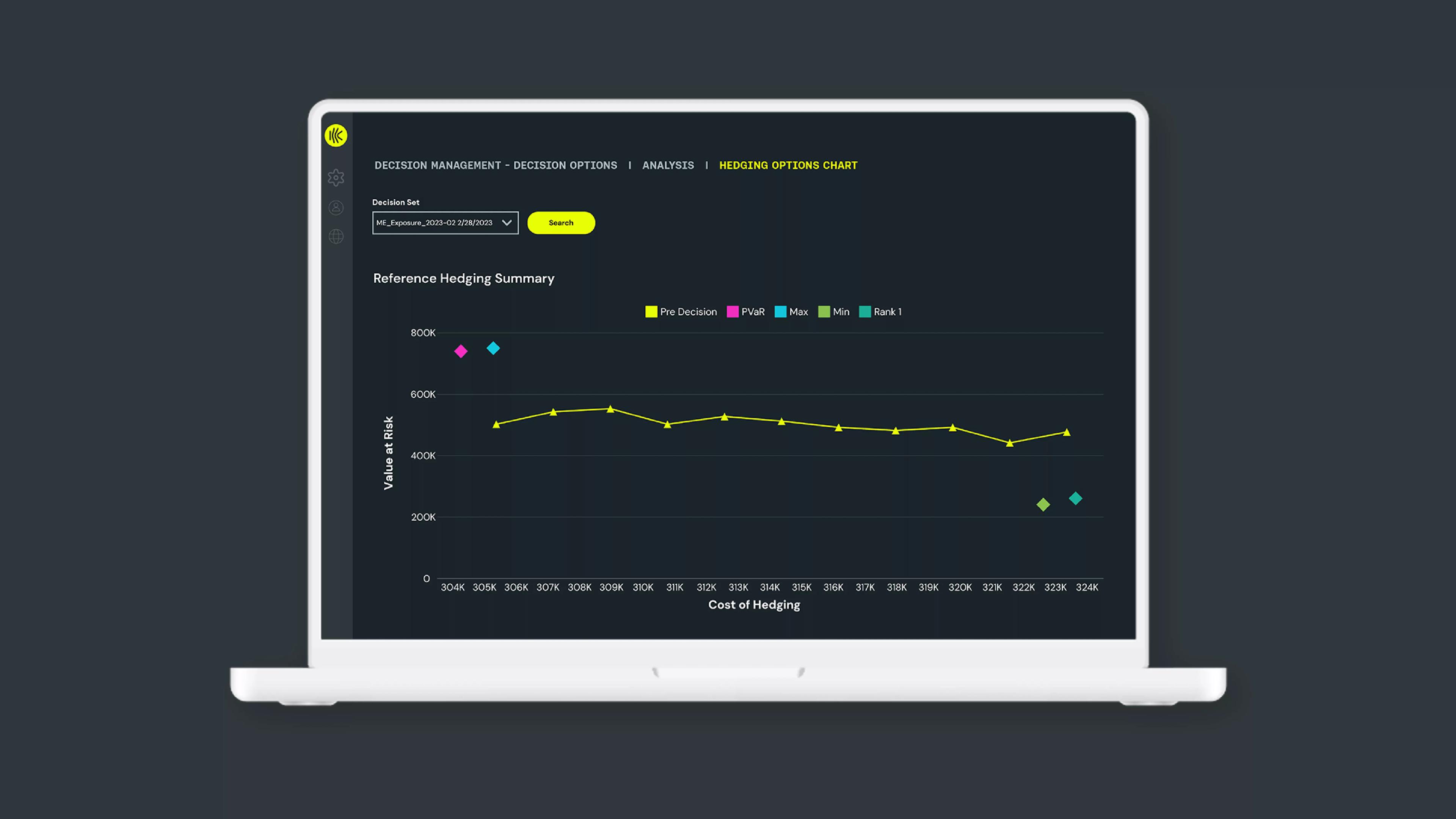
Hedge currency risks strategically by using FX solutions, such as forward contracts or currency options.
“With the Trump administration’s tariffs and retaliatory moves from other countries, inflationary impacts will likely drive the cost of goods higher. In turn, higher prices could drive the value of the dollar down. The potential for a weaker dollar in response to such developments makes options appealing.”
–Thomas Gavaghan, Kyriba’s SVP of Product Solutions and Strategy
2. Maintain control over the cash lifecycle
CFOs play a critical role in maintaining control over the cash lifecycle, especially amid evolving supply chain dynamics and shifting customer expectations. Achieving this control requires a strategic approach, leveraging a diverse set of tools to manage cash effectively.
Use liquidity performance techniques to enhance cash flow and maintain financial stability:
Implement working capital strategies to accelerate cash conversion by leveraging tools like factoring and supply chain financing while maintaining a robust liquidity buffer using low-risk assets like money market funds to prepare for unexpected revenue shortfalls or expenses.
Diversify funding sources to reduce reliance on single lenders and negotiate favorable loan terms amid tighter credit conditions.
Rethink supply chain strategies amid tariff turmoilThe effects of tariffs on the supply chain are complex and far-reaching. Immediate action in the current environment requires a short-term focus on minimizing the balance of products impacted by tariffs within the cost of goods sold (COGS). Long-term plans can include nearshoring or reshoring suppliers, but these decisions take longer to fully realize. Short-term actions to mitigate tariff impacts:
By developing a responsive supply chain strategy, CFOs can reduce tariff-related risks and ensure stronger financial health for their companies. |
3. Model scenarios to strengthen cash flow strategies
To ensure liquidity during economic uncertainties, CFOs and treasury teams should incorporate multiple scenarios into their modeling and planning tools.
Precise, immediate answers regarding potential impacts on cash flow require plans for various scenarios so that hypothetically speaking, financial teams can answer questions such as, “How much will our cash flow decrease with these newly implemented tariffs?” and “What actions will we take if this tariff decreases our cash flow by 35%?” By incorporating different what-if scenarios into cash forecasts, CFOs can create a proactive strategy for navigating turbulent tariffs.
CFOs should plan for potential scenarios that:
Factor weekly, monthly, and long-term cash flow impacts of tariffs into forecasting models.
Account for potential behavior changes from customers, such as bringing orders forward to avoid future tariff impacts or altering the composition of their purchases.
Prepare for outcomes like temporary price increases on key goods or delays in customer payments, and optimize payment terms that cushion the business cash flow.
Staying agile by revisiting cash flow forecasts frequently ensures CFOs have the clarity needed to adapt quickly and adjust strategy when conditions change.
CFOs vs. Chaos: vanquishing economic volatility
With today's economic news, where uncertainty seems to be the main character, CFOs can calm the chaos by focusing on managing FX volatility, controlling the cash lifecycle, and implementing robust forecasting and planning. As tariffs, policy shifts, and global economic changes create ripple effects across markets, CFOs can transform uncertainty into opportunity and steer their companies through turbulent times.
Successful financial leaders aren't just reacting to change—they're proactively crafting strategies that mitigate risks and drive growth. As they navigate the complexities of shifting policies and market dynamics, CFOs are safeguarding their organizations' financial health and also paving the way for future success. With every headline bringing new challenges, CFOs can ensure stability and resilience, ensuring their companies not only survive but thrive amidst the chaos.